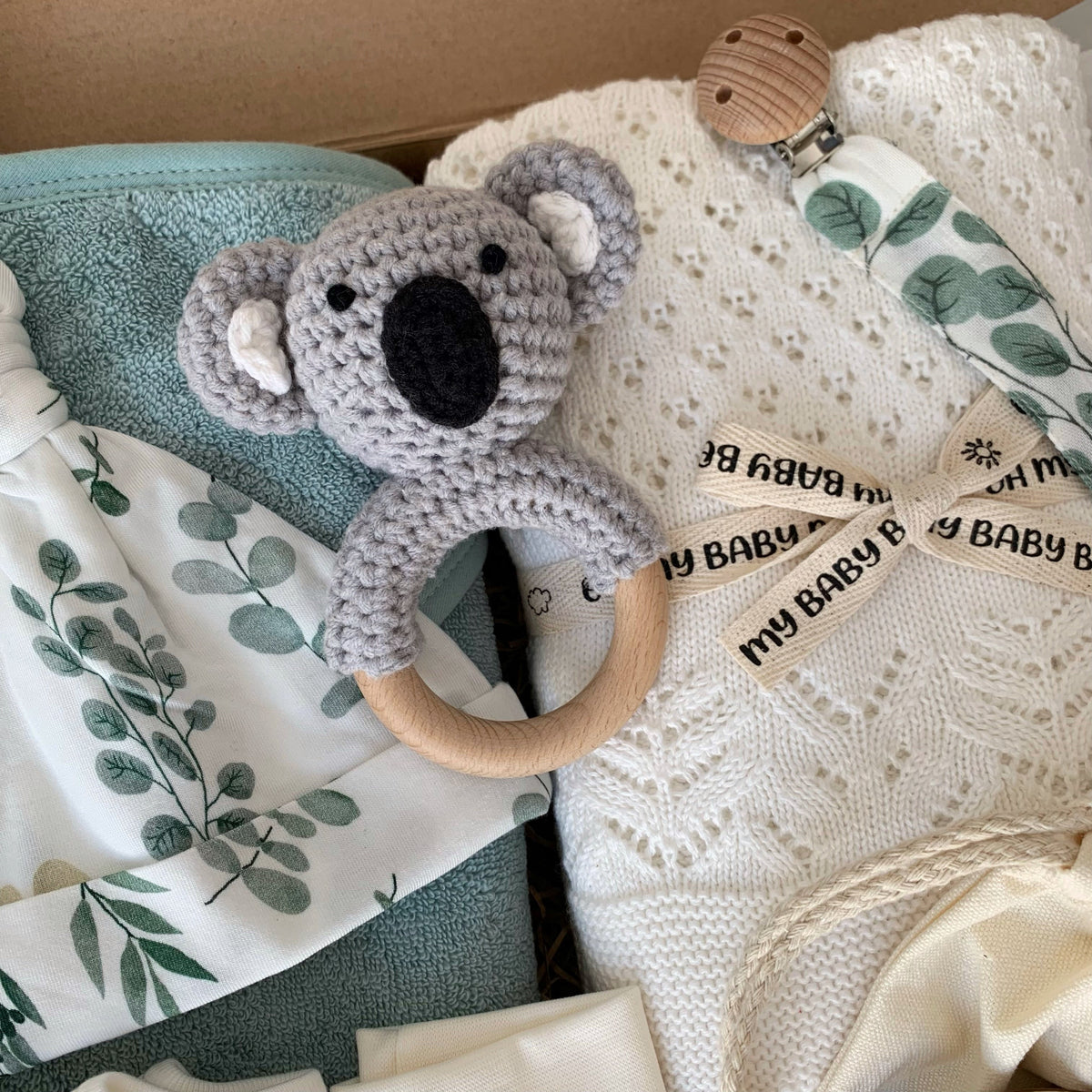


A newborn's skin is much more sensitive than ours. Thin, delicate, and still adapting to the outside world, it deserves special care, and that begins long before putting on the first outfit.
Washing baby clothes might seem simple, but there are a few details that make all the difference in protecting their skin and preventing irritation, allergies, or discomfort. In this article, we share everything you need to know to care for your baby's clothes safely and peacefully.
Should you wash baby clothes before using them for the first time?
Yes, always. Even if the items come packaged and look pristine, new clothes can contain production residues, dyes, or textile treatments that irritate a baby's sensitive skin.
Before using any item for the first time, wash it with a gentle detergent suitable for newborns. This is a simple rule that prevents many problems from the start.
How to choose the right detergent
This is one of the most important points. The market offers many options, but not all are suitable for babies. When choosing a detergent, prefer:
-
Hypoallergenic, fragrance-free, and dye-free formulas
-
Products specifically for baby clothes or sensitive skin
-
Liquid detergents, which tend to dissolve better and leave fewer residues in the fibres
Avoid fabric softeners, as despite their pleasant smell, they can irritate baby's skin and reduce the absorbency of items like muslin nappies, which are so useful in the first few months.
Washing temperature: hot or cold?
Most 100% cotton baby clothes, such as bodysuits, trousers, and inner sets, can be washed at 30°C or 40°C. This temperature is sufficient for hygiene without damaging the fibres.
For more delicate items, such as bamboo swaddles or muslins, always check the label. Bamboo, in particular, is a very soft fibre but can shrink at high temperatures.
When in doubt, always opt for the lowest temperature indicated on the label.
Separating baby clothes from adult clothes
In the first few months, it is recommended to wash baby clothes separately. Adult clothes can carry residues from harsher detergents, perfumes, or softeners that remain in the fibres and can come into contact with the baby's skin.
As the baby grows and their skin becomes more resilient, this separation becomes less critical, but in the first few months, it's a simple precaution worth taking.
How to dry and store baby clothes
Whenever possible, dry clothes outdoors and in the shade. Sunlight has natural sanitising properties, but direct exposure can fade colours and weaken more delicate fibres.
If using a tumble dryer, choose a low-temperature programme and remove items while still slightly damp to prevent them from becoming too stiff.
When storing, make sure the items are completely dry before folding and putting them away. Accumulated moisture in drawers can favour the appearance of mould or unpleasant odours.
Stains: how to treat them without harsh products
Stains are part of everyday life with a baby. Spit-up, leaky nappies, purees... they are inevitable. The good news is that most stains come out easily if treated quickly.
Some tricks that work:
-
Rinse with cold water immediately after the stain, before it dries
-
For milk or food stains, soak the item in cold water with a little gentle detergent before washing
-
Avoid bleach or chlorine products, which are too harsh for the fibres and for baby's skin
For more stubborn stains, patience is the best ally. A second wash solves most cases.
Extra care for muslins and swaddles
Muslin nappies and swaddles are items that are in direct and constant contact with the baby's skin, whether for cleaning, wrapping, or comforting. Therefore, they deserve special care.
Wash them frequently, even if they don't look dirty, and always follow the label instructions. Over time and with washing, muslins become even softer, which is one of their most appreciated characteristics.
In summary
Caring for baby clothes doesn't have to be complicated. With the right detergent, the appropriate temperature, and some simple precautions, you can keep your baby's clothes clean, soft, and safe for the world's most delicate skin.
Small gestures that make a big difference, from day one.
0 comments