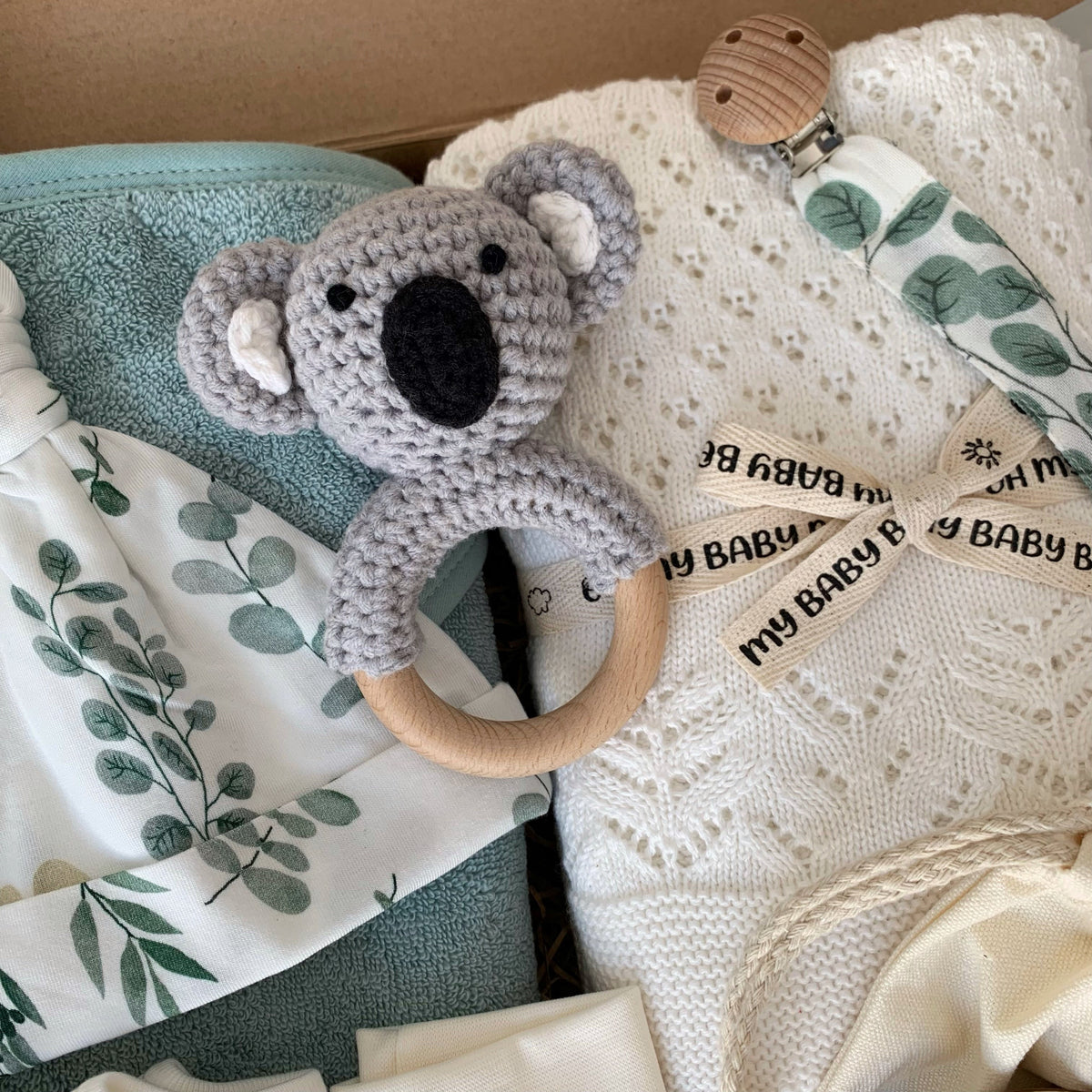


Autumn is one of the most challenging seasons when it comes to dressing a newborn. Mornings are cool, afternoons can still be mild, and nights cool down quickly. This temperature variation throughout the day requires careful management of clothing layers and constant attention to the baby's comfort.
With a few practical guidelines, dressing your baby in autumn becomes much simpler and more intuitive.
The layering rule
The most effective way to dress a baby in transitional seasons is to think in layers. Layers that can be easily added or removed throughout the day, depending on the temperature and environment.
A combination that works very well in autumn:
- A first layer close to the body: long-sleeved 100% cotton bodysuit
- A second layer: footed trousers or light romper suit
- A third layer for outdoors or cooler nights: jacket or sleeping bag suitable for the temperature
With this system, it's easy to adapt the baby to temperature variations without having to completely change their clothes each time.
How to know if the baby is at the right temperature
Babies cannot verbally communicate if they are cold or hot, so it is important to know how to interpret body signals. The most reliable way to check a baby's temperature is to touch their neck or back, not their hands or feet, which tend to always be colder.
Some signs that the baby may be cold:
- Skin cold to the touch on the neck or back
- Agitation or crying without apparent cause
- Difficulty falling asleep or restless sleep
Some signs that the baby may be too hot:
- Warm and slightly damp skin
- Flushed cheeks
- Sweat on the scalp or neck
Materials that make a difference
In autumn, the choice of materials is as important as the choice of clothes. 100% cotton remains the material of choice for layers closest to the body, due to its softness, breathability, and ability to regulate temperature.
For outer layers, thicker cotton or knitwear are good options for cooler days. Avoid synthetic materials, which do not breathe well and can cause irritation to the sensitive skin of a newborn.
Hats and bonnets: essential in autumn
The head is one of the areas of the body where a baby loses the most heat. In autumn, always having a hat or bonnet on hand is essential, especially when going outdoors and on cooler nights.
For daily use, a soft cotton hat is sufficient. For colder nights or outings on windy days, a bonnet that also covers the ears offers welcome extra protection.
Swaddling in autumn
The swaddle is one of the most versatile items in a newborn's wardrobe, and autumn is no exception. On transitional nights, when the temperature doesn't yet warrant a warmer sleeping bag, a cotton or bamboo swaddle is the perfect solution.
Wrapping the baby in a swaddle before they fall asleep helps them feel secure and cozy, reducing night-time startles and promoting calmer and longer sleep. It's one of those items that parents quickly discover to be indispensable, regardless of the season.
Preparing the bag for autumn outings
With temperatures varying throughout the day, leaving the house with a newborn in autumn requires a little more preparation. Some items that should never be missing from the bag:
- A complete change of cotton clothes, bodysuit, footed trousers, and hat
- A swaddle or muslin cloth to cover the baby in the pram
- An extra jacket or blanket for cooler times
With the bag prepared the night before, outings become much calmer and without unexpected incidents.
In summary
Dressing a newborn in autumn is a matter of layers, suitable materials, and attention to the baby's signals. With cotton bodysuits, hats and bonnets always at hand, swaddles for transitional nights, and a well-prepared bag for outings, you'll be ready to face any autumn day with confidence and peace of mind.
Because a comfortable baby is a happy baby. And a happy baby makes everything easier.
0 comments